Beyond the Wheel: Factors Determining Roulette Bonus Eligibility and Redemption Success Rates
Written by Freya Keller · Oct 7, 2026
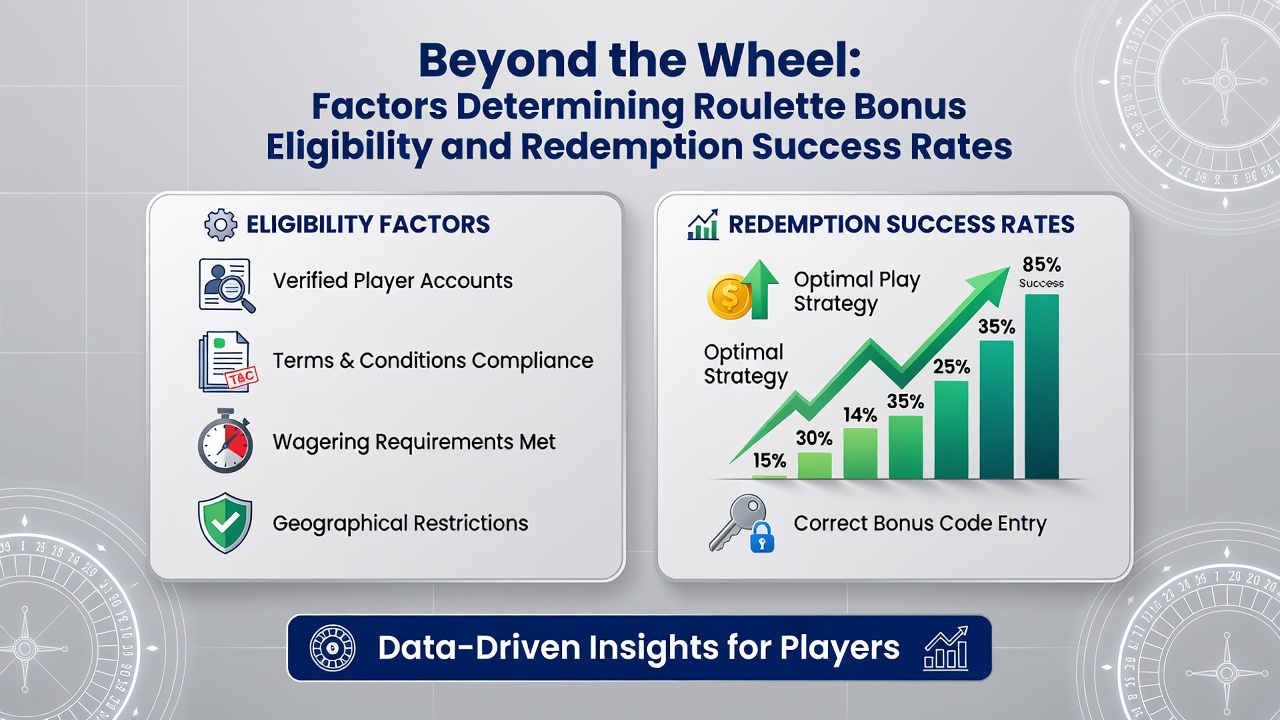
Beyond the Wheel: Factors Determining Roulette Bonus Eligibility and Redemption Success Rates
Eligibility for roulette bonuses hinges on multiple layers of operator policies that players must navigate before any funds become accessible, and data from industry reports shows these rules directly influence redemption success rates across different platforms. Account registration details, geographic restrictions, and prior activity all feed into initial approval decisions, while verification steps add further checkpoints that can delay or block access if documentation falls short.
Core Eligibility Requirements
Operators typically require new accounts to meet age thresholds and submit valid identification documents such as government-issued IDs along with proof of address, and failure to complete these steps within specified windows often results in bonus forfeiture. Geographic filters come into play as well, since licensing agreements restrict offers to certain jurisdictions, and players in excluded regions see immediate disqualification even after deposit attempts. Existing users face additional scrutiny through loyalty program tiers or deposit history checks that determine whether repeat bonuses apply, with systems tracking patterns to prevent abuse across multiple accounts.
Verification and Compliance Layers
Third-party verification services now handle most identity checks in real time, cross-referencing submitted data against public records and flagging discrepancies that trigger manual reviews, which can extend processing from hours to several days. Payment method alignment matters too, because bonuses tied to specific deposit channels like e-wallets or bank transfers demand matching withdrawal accounts to prevent money laundering risks. Observers note that incomplete profiles lead to higher rejection rates, while those who've maintained consistent records across platforms report smoother approvals.
Wagering Requirements and Conversion Mechanics
Redemption success depends heavily on wagering multipliers attached to each bonus, often ranging from 20x to 50x the combined deposit and bonus amount, and these thresholds must clear through roulette spins that contribute at reduced rates compared to other games. Game weighting tables assign roulette contributions between 10% and 50% toward requirements in many cases, which extends the playtime needed to unlock funds. Studies from research institutions like the International Gaming Institute indicate that players who track contribution percentages carefully achieve higher completion rates than those who overlook these details.
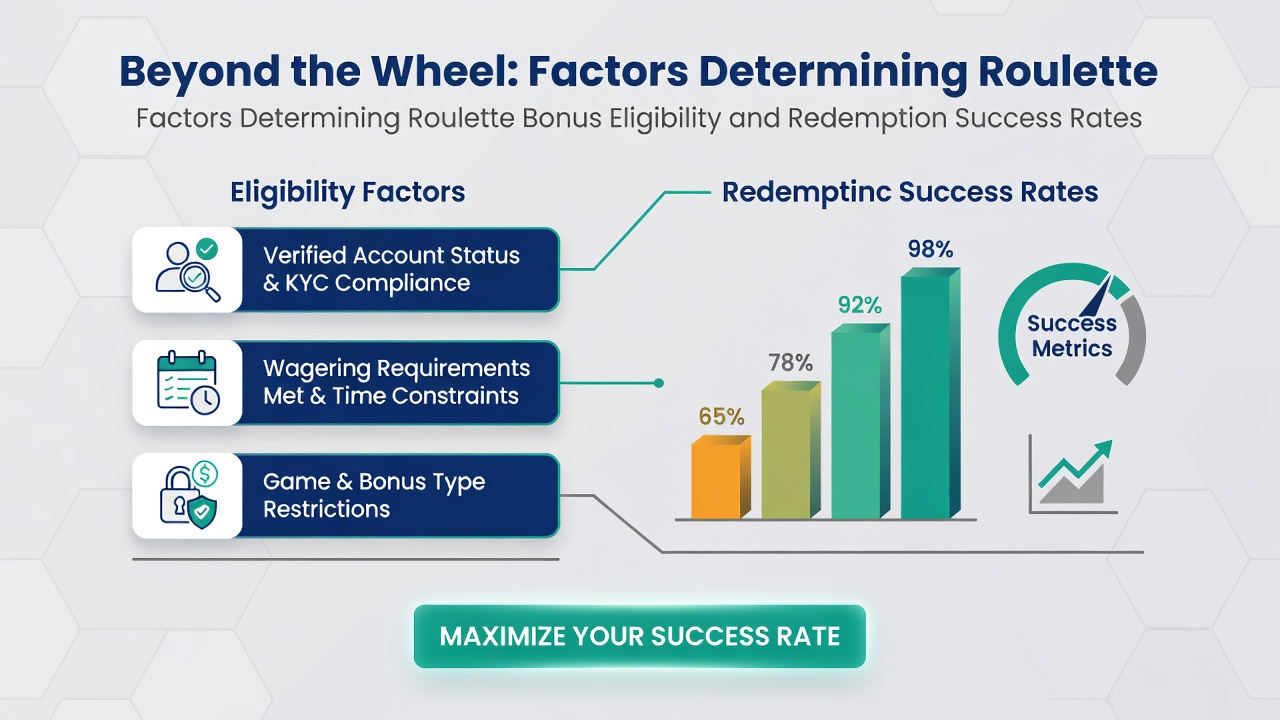
Time-bound conditions compound these challenges, since most offers expire within 7 to 30 days and any remaining bonus balance vanishes if targets remain unmet. October 2026 data from regulatory filings across multiple regions reveals seasonal spikes in redemption activity around major sporting events, when increased deposits coincide with tighter operator monitoring of play patterns.
Regional Regulatory Influences
Licensing bodies in various markets impose distinct caps on bonus structures that shape eligibility criteria, and operators adjust terms accordingly to maintain compliance. For instance, frameworks from the Malta Gaming Authority and the Nevada Gaming Control Board emphasize transparency in term disclosures, which has led platforms to standardize how they present eligibility rules to users. Those who've studied cross-border operations know that variations in maximum bet limits during bonus play further affect success, particularly when high-stakes roulette tables exceed allowed thresholds and void contributions.
Player-Specific Variables
Deposit frequency and average bet sizes factor into bonus qualification algorithms that some operators deploy to segment users, and consistent moderate activity often yields better eligibility than erratic high-volume patterns flagged as potential risk. Payment history also plays a role, with declined transactions or chargebacks resulting in temporary or permanent exclusion from promotional offers. Researchers discovered through aggregated transaction data that accounts verified early in the registration process experience fewer interruptions during the redemption phase.
Common Pitfalls in Redemption
Game selection errors represent a frequent barrier, as players sometimes apply bonuses to variants excluded from contribution lists such as certain live dealer tables or multi-wheel formats, and these missteps reset progress without warning. Maximum bet caps during active bonuses add another constraint, since exceeding them typically voids winnings and forces restarts. And while some platforms provide progress trackers, others leave users to calculate contributions manually, increasing error margins that lower overall success metrics.
Conclusion
Success rates for roulette bonus redemptions ultimately trace back to how well individual accounts align with layered eligibility filters, verification standards, and wagering parameters enforced by operators. Data indicates that proactive compliance with documentation requests combined with careful monitoring of contribution rates produces stronger outcomes across platforms. As regulatory environments evolve through late 2026, these interconnected factors continue to define access pathways for players seeking to maximize available offers.